A Flavor-Packed Introduction to Jamaican Food
@reidmsjt772
October 23, 2026 · 15 min read
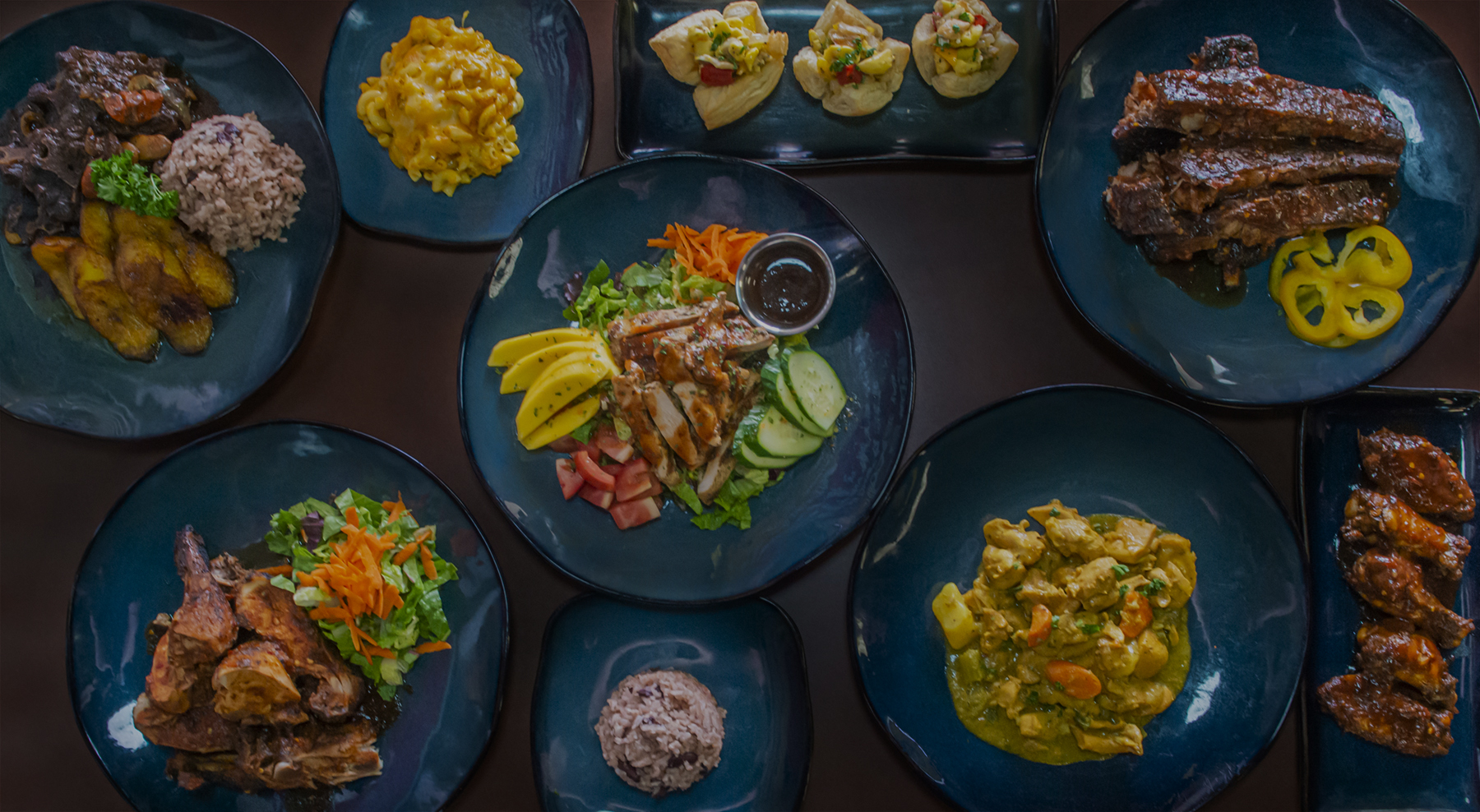
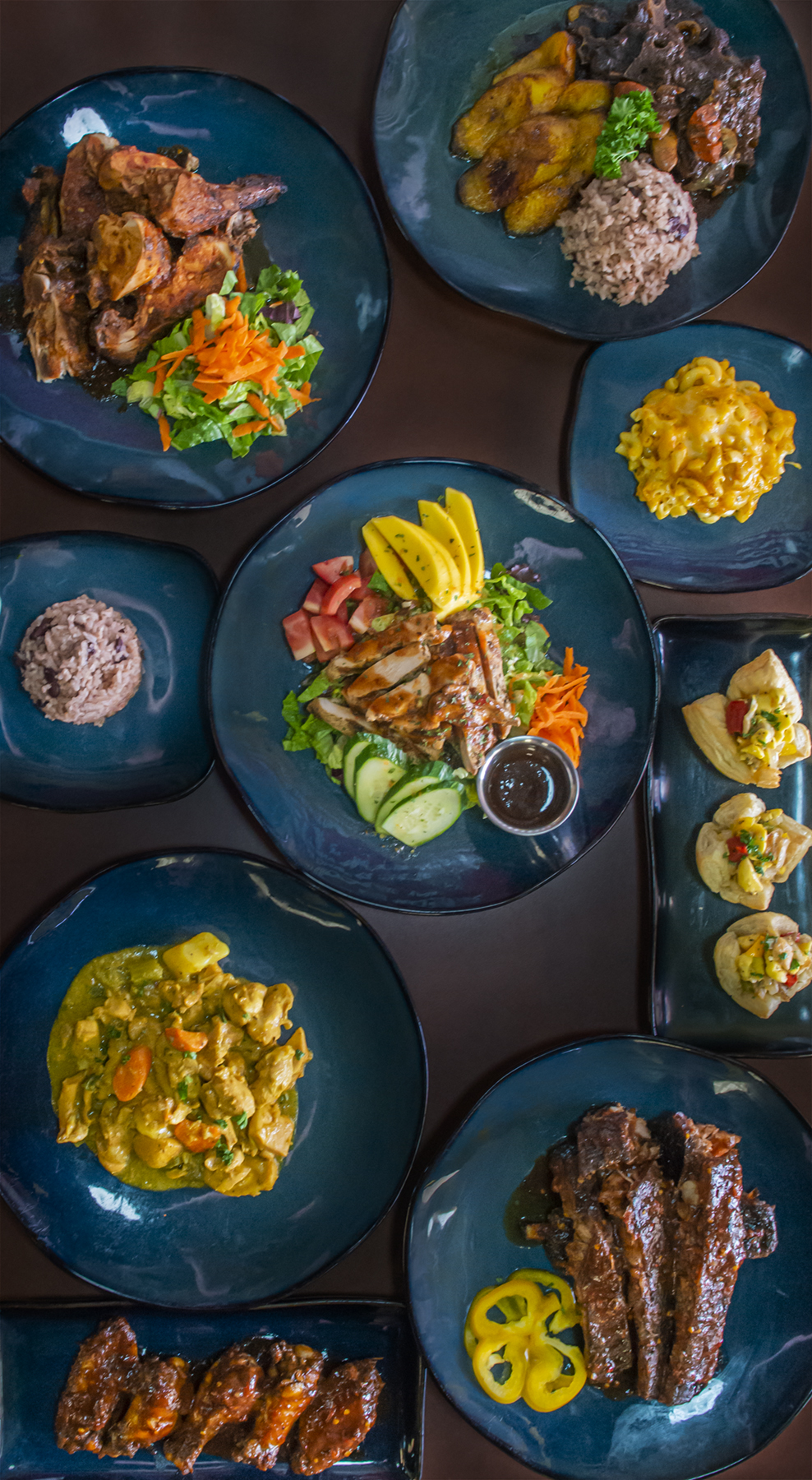
Jamaican food has a way of announcing itself before it ever reaches the table. You smell the smoke from jerk pans long before you see them. You catch the sweetness of frying ripe plantain, the earthy depth of slow-cooked peas, the sharp lift of thyme and scallion hitting hot oil. It is a cuisine with presence, built on strong seasoning, practical cooking traditions, and a clear sense of place.
For many people outside the Caribbean, Jamaican food begins and ends with jerk chicken. That is understandable, but it barely scratches the surface. Jamaica’s cooking is broader, more layered, and more revealing than a single dish can show. It reflects African roots, Indigenous influences, British colonial history, Indian and Chinese migration, Spanish contact, and generations of home cooks who knew how to turn local ingredients into meals with character and staying power.
What makes Jamaican cooking especially compelling is its balance between intensity and comfort. A plate can be fiery, smoky, and bright all at once, yet still feel deeply homey. The same cuisine that gives you aggressively seasoned street food also gives you soups that simmer for hours, breakfast dishes that speak to thrift and craft, and desserts that carry memory as much as flavor.
The backbone of the flavor
To understand Jamaican food, it helps to start with seasoning. Not sauce, not garnish, not a finishing flourish, but seasoning as a foundation. Good Jamaican cooking layers flavor early and deliberately. Green onions, thyme, garlic, ginger, pimento, Scotch bonnet pepper, onion, and all-purpose seasoning blends show up often, though every household has its preferences.
Pimento deserves special mention because it is one of the flavors that gives Jamaican food its unmistakable profile. Outside Jamaica, it is more commonly called allspice, but the local use feels different from the powdered spice blend many people know from baking. In Jamaican cooking, whole pimento berries are often used in stews, jerk marinades, and soups, adding warmth that sits somewhere between clove, cinnamon, nutmeg, and pepper. It is fragrant without being sweet, which matters.
Scotch bonnet is another pillar. People tend to reduce it to heat, but that misses the point. A Scotch bonnet brings fruitiness as well as fire. Used well, it sharpens and perfumes a pot rather than bullying it. In many kitchens, a whole pepper is added to soup or stew and left intact to infuse the broth. Split it accidentally, and the dish can shift from pleasantly warm to punishing very quickly. That sort of judgment, knowing when to bruise a pepper, when to leave it whole, and when to mince it into a marinade, is part of the craft.
Then there is thyme, often fresh, and often more important than outsiders realize. It gives structure to savory dishes in a way that feels almost architectural. If pimento rounds the edges and Scotch bonnet electrifies, thyme helps hold everything together.
Jerk, beyond the shorthand
No dish has traveled further than jerk, and few have been flattened more by export. Authentic jerk is not simply grilled meat with spicy sauce. It is a method, a seasoning philosophy, and a piece of Jamaican history.
Traditional jerk cooking is tied to the Maroons, descendants of Africans who escaped enslavement and formed independent communities in Jamaica’s mountainous interior. They developed techniques for preserving and flavoring meat, cooking it slowly over pimento wood and coals. That wood matters. It contributes aroma that cannot be fully replicated with a bottled marinade and a gas grill.
The seasoning itself usually includes Scotch bonnet, pimento, thyme, scallion, ginger, garlic, and other spices, crushed or blended into a paste. Pork was historically central, though chicken is now the version most widely known. When jerk is done well, the outside is dark, smoky, and gently charred, while the inside stays juicy and seasoned through to the bone. The heat should build rather than strike like a hammer.
A common disappointment in restaurants outside Jamaica is jerk that tastes like sweet barbecue with extra chili. It may be tasty on its own terms, but it misses the aromatic complexity that makes real jerk memorable. The best jerk I have had always carried a little bitterness from smoke, a little sweetness from the meat itself, and enough spice to keep you alert without numbing the palate.
Rice and peas is not an afterthought
If jerk gets the headlines, rice and peas does the quiet work of making a plate whole. In Jamaica, “peas” often means beans, especially red kidney beans or gungo peas, depending on the dish and the season. The rice is cooked with coconut milk, thyme, scallion, garlic, and usually a Scotch bonnet. It should be aromatic, tender, and distinct, not wet or bland.
This is one of those dishes people underestimate until they taste a well-made version. The coconut milk should not make it dessert-like. Its job is to add body and a soft richness that balances spicy mains. A good spoonful of rice and peas can calm the heat from jerk or curry goat while carrying enough flavor to stand on its own.
The dish also says something important about Jamaican food as a whole. Side dishes are rarely neutral. They do not sit passively on the plate. They participate.
The everyday authority of brown stew and curry
Jamaican home cooking is full of dishes that do not seek attention but earn loyalty. Brown stew chicken is one of them. The chicken is seasoned, often lightly floured and browned, then simmered with onions, peppers, tomato, thyme, and seasonings until the gravy turns glossy and savory. The browning, sometimes from caramelized sugar or commercial browning sauce, gives the dish its signature color and slight bittersweet depth.
A strong brown stew should taste developed, not muddy. Too much browning and the sauce turns harsh. Too little and the dish loses backbone. This is where experienced cooks stand apart. They know how dark to take the chicken, how much liquid to add back, and how long to let it reduce.
Curry goat is another classic, especially at gatherings. Jamaican curry differs from Indian curry, though its roots are connected. Indian indentured laborers brought spice traditions to the island, and over time those flavors adapted to local ingredients and tastes. Jamaican curry powder is often heavy on turmeric, coriander, cumin, fenugreek, and allspice. Goat, with its deep flavor and firm texture, benefits from long cooking. Done properly, the meat becomes tender but not stringy, and the sauce clings instead of flooding the plate.
It is worth noting that curry chicken is also common and more accessible in many households. Goat can be expensive or hard to source depending on where you live. That sort of substitution is not unusual in diaspora cooking. Jamaican food abroad often reflects both memory and availability.
Ackee and saltfish, the national dish with nuance
Few dishes tell Jamaica’s story as clearly as ackee and saltfish. Saltfish, usually salted cod, arrived through colonial trade routes. Ackee, originally from West Africa, became so integrated into Jamaican life that many people now think of it as inseparable from the island’s identity.
Ackee is unusual. When cooked, its pale yellow flesh looks a bit like soft scrambled eggs, but its texture is creamier and more delicate. It is mild in flavor, which is why saltfish matters so much. The fish is soaked and boiled to remove excess salt, then sautéed with onions, tomato, Scotch bonnet, black pepper, and thyme before the ackee is folded in. The goal is gentle handling. Overstir and the ackee breaks apart into mush.
The dish often appears with fried dumplings, boiled green bananas, roasted breadfruit, or yam. That combination says a lot about Jamaican eating habits. Breakfast is not always light, and it is rarely flimsy. It is meant to carry you.
There is also an important practical note here. Fresh ackee must be handled correctly because unripe ackee is toxic. The fruit has to open naturally on the tree before it is considered safe for preparation. In many export markets, canned ackee is the standard, not because it is superior, but because it is convenient and regulated. A good canned product can still yield an excellent dish if treated carefully.
Ground provisions, starches, and the pleasure of substance
One reason Jamaican food feels so satisfying is its relationship with starches and “ground provisions,” the term often used for root vegetables and staples such as yam, cassava, sweet potato, and green banana. These foods are not filler. They are central to the meal’s rhythm and balance.
Festival, a slightly sweet fried dough, is one of the best examples of contrast on a plate. It is often served with fried fish or jerk meats, where its crisp exterior and soft interior offset spice and smoke. Fried dumplings play a similar role but are usually denser and less sweet. Bammy, made from cassava, brings a different texture altogether, especially when soaked lightly and fried or toasted. Breadfruit, whether roasted, boiled, or fried, can be nutty, creamy, and unexpectedly elegant.
If you spend enough time around Jamaican kitchens, you notice how seriously these starches are treated. A boiled dumpling should be firm but not heavy. Green banana should hold together without chalkiness. Breadfruit should be cooked to the stage that suits the meal, not simply until it is edible. These details matter because Jamaican food is not just about explosive seasoning. It is about how the seasoned components meet the plain ones, and how each supports the other.
Patties, pan chicken, and the pull of the street
Street food offers one of the fastest ways into Jamaican food culture. The patty is the obvious starting point, but even that familiar item is often oversimplified abroad. A good Jamaican patty has a flaky, turmeric-tinted crust that shatters slightly when you bite into it. The filling, often beef but also chicken, vegetable, soy, or saltfish, should be juicy and assertively seasoned. It is not meant to be timid.
In Jamaica, the patty is also a practical food. It is portable, relatively affordable, and often eaten on the move or paired with coco bread for a more filling lunch. That pairing tells you something about Jamaican eating habits: bread is not just a side, it can become part of the architecture of the meal.
Pan chicken deserves more attention than it usually gets. Cooked in split metal drums over open flame, it sits somewhere between barbecue and roast chicken, but with its own style of seasoning and texture. The skin picks up smoke and char, the meat stays moist, and the whole thing is often served with festivals or hard dough bread. There is a directness to it that people love. No ornament, just heat, smoke, seasoning, and hunger meeting at the right time of day.
Escovitch fish belongs in this conversation too. Typically made with fried fish topped with a sharp dressing of vinegar, onion, carrot, and Scotch bonnet, it shows the cuisine’s talent for contrast. Crisp fish, acidic vegetables, and pepper heat create a dish that feels bright and deeply savory at once. On a hot day, few meals hit https://maps.app.goo.gl/LnpmYamy5BRY1Cs57 the mark better.
Soups that eat like meals
Jamaican soups are rarely delicate starters. They are substantial, restorative, and often built to stand alone. Saturday soup traditions are especially well known, with goat soup, chicken foot soup, red peas soup, mannish water, and fish tea all appearing in different households and communities.
Red peas soup, despite the name, is usually made with kidney beans, salted meat or beef, dumplings called spinners, and ground provisions. It cooks down into something thick, rich, and deeply satisfying. Fish tea is lighter in body but no less serious in flavor, often scented with pimento and herbs, with a clarity that can be almost medicinal in the best sense.
These soups reveal another side of Jamaican food: economy without compromise. Cuts that require patience, ingredients that stretch a pot, and techniques that build depth over time are all part of the tradition. This is food shaped by necessity, yes, but never resigned to blandness.
Sweetness, spice, and the long memory of dessert
Dessert in Jamaican cooking often carries the same direct flavor logic as savory food. Rum cake, sometimes called black cake, is dense, rich, and soaked with the character of dried fruit and spirits. It is especially tied to Christmas and celebrations. The cake rewards time. Fruit is often soaked for weeks or months, and the final texture should be moist without collapsing into heaviness.
Gizzada, coconut drops, grater cake, and sweet potato pudding show another side of the sweet table. Coconut appears often, as do ginger, nutmeg, cinnamon, and vanilla. Sweet potato pudding in particular can surprise people who expect something soft and spoonable. Jamaican versions are often firmer, more baked than custarded, with a concentrated flavor and a dark, almost caramelized top.
Then there are drinks, which deserve their own respect. Sorrel, made from hibiscus calyces and often spiced with ginger and cloves, is tart, deep red, and festive. Irish moss has a thicker body and a reputation as a strengthening drink. Ginger beer, when homemade or traditionally prepared, has a real bite that can clear the head.
What newcomers should order first
If someone is trying Jamaican food for the first time, I usually suggest a mix of familiar and distinctive dishes. That gives the best chance of understanding the cuisine rather than just sampling heat.
- Jerk chicken with rice and peas, for smoke, spice, and balance.
- Brown stew chicken, for a clear picture of home-style cooking.
- Ackee and saltfish, if available, for something truly specific to Jamaica.
- Beef patty, for the everyday street-food experience.
- Escovitch fish or curry goat, depending on whether you prefer bright acidity or slow-cooked richness.
That kind of order gives range. You get grilled food, stewed food, breakfast tradition, handheld pastry, and either seafood or celebratory meat cookery. It is a better survey than chasing only the spiciest dish on the menu.
How to recognize a good Jamaican restaurant
Outside Jamaica, quality varies widely. Some restaurants lean heavily on reputation and nostalgia, which can carry them farther than it should. Others cook with remarkable care but remain understated. A few signs help separate the two.
First, pay attention to aroma before plating. You should smell thyme, pimento, pepper, and smoke, not just generic sweetness or oil. Second, look at the sides. If the rice and peas are bland, the cabbage is overcooked, or the plantains are greasy and limp, the kitchen may be coasting. Third, notice whether the heat is integrated. Jamaican food can be hot, but it should still taste of itself. If all you register is raw chili, the seasoning has not been managed properly.
Portion size can be generous in Jamaican restaurants, but abundance alone is not quality. The best places get the small things right. Their gravy has depth. Their fried fish crust stays crisp under dressing. Their patties flake instead of crumbling into dust. Those are the details that signal discipline.
Why the cuisine stays with people
Jamaican food lingers in memory because it hits more than one register at once. It is bold, but not one-note. It can comfort, challenge, and surprise in the same meal. There is a practical intelligence in it, an understanding of how to build flavor with what is available and how to cook for both appetite and occasion.
It also travels well, even when ingredients shift. In London, Toronto, New York, Miami, and countless smaller cities, Jamaican communities have kept these dishes alive through adaptation. Some substitutions are unavoidable. Scotch bonnet may be replaced by habanero. Fresh breadfruit may give way to frozen. Local fish may stand in for Caribbean species. Yet the cuisine retains its identity because the deeper logic remains intact: season boldly, cook with patience, and keep the plate balanced between intensity and substance.
That is perhaps the best way to approach Jamaican food if you are new to it. Do not treat it as novelty or heat challenge cuisine. Treat it as a mature culinary tradition with its own internal standards, techniques, and values. Once you do, the flavors begin to make more sense. The smoke feels more deliberate. The starches feel less incidental. The pepper feels better placed. And the meal, even a simple one, starts to reveal the depth behind its immediate pleasure.
For a cuisine often introduced through a single famous dish, Jamaican food offers remarkable range. It can be festive and humble, fiery and soothing, quick to eat and slow to make. Most of all, it knows exactly what it is. That confidence is part of the flavor.
Reggae Pot Jamaican Grill
7562 S University Blvd C, Centennial, CO 80122
(303) 997-5623
FAQ About jamaican food
What is the best Jamaican food to try in Centennial?
The best choice depends on your preferences. Reggae Pot Jamaican Grill offers jerk chicken, curry goat, oxtail, and escovitch snapper, along with sides such as rice and peas and fried plantains. Ask the restaurant about current availability and spice levels before ordering.
Is Jamaican food very spicy in Centennial?
Heat varies by dish and preparation. Jerk dishes can be hot, while some stews and sides are milder. Tell the restaurant your preferred heat level and ask which options suit you.
What is typically on a Jamaican menu?
Common choices include jerk chicken, curries, oxtail, fish, patties, rice and peas, and plantains. Reggae Pot also lists ackee and saltfish and vegetable dishes. Menus and availability can change, so confirm your choices when ordering.